Home & Decor
Your home is more than four walls and a roof—it’s a living ecosystem where design decisions ripple through your daily life, your budget, and even your health. Whether you’re contemplating a complete renovation, selecting new flooring, or reimagining your outdoor space, the choices you make today will shape your living experience for years to come. The challenge isn’t just picking what looks beautiful; it’s understanding how aesthetics, functionality, sustainability, and financial reality intersect.
This comprehensive resource brings together the essential knowledge you need to navigate home improvement with confidence. From managing renovation budgets to selecting materials that truly last, from understanding energy efficiency to creating outdoor spaces that support local ecosystems, we’ll explore the foundational concepts that separate successful home projects from costly mistakes. Think of this as your strategic overview—the context that helps every subsequent decision make sense.
Planning Your Home Transformation: Where Vision Meets Reality
The gap between renovation dreams and actual outcomes often comes down to project management fundamentals that many homeowners overlook. Before selecting paint colors or browsing fixture catalogues, you need a framework that prevents budget blowouts and ensures work flows in the correct sequence.
Understanding the True Cost of Renovations
Renovation return on investment isn’t as straightforward as many assume. While kitchen and bathroom updates typically recoup a significant portion of their cost, the financial reality depends heavily on your neighborhood’s ceiling value, the quality of execution, and whether you’re improving for personal enjoyment or resale. Think of it like upgrading a car’s engine—premium parts in a luxury vehicle make sense, but the same investment in an economy model may never return its value.
Budget management requires building in a contingency buffer of 15-20% for unexpected discoveries. Old homes especially tend to reveal hidden issues once walls open up: outdated wiring, water damage, or structural concerns that must be addressed before cosmetic work proceeds.
The Importance of Sequencing Work Correctly
Renovation sequencing follows a logical hierarchy that protects your investment. Structural work comes first, followed by systems (plumbing, electrical, HVAC), then insulation and drywall, and finally finishes. Attempting to shortcut this order creates scenarios where beautiful new flooring gets damaged during subsequent electrical work, or freshly painted walls need reopening for plumbing adjustments.
Consider this sequence as the foundation of project success:
- Structural repairs and modifications
- Rough-in work for all systems
- Insulation and moisture barriers
- Drywall, plastering, and surface preparation
- Flooring installation
- Painting and final finishes
- Fixture and hardware installation
Selecting the Right Help for Your Project
The danger of hiring the wrong contractor extends beyond delays and frustration—it can compromise your home’s safety and structural integrity. Qualified professionals bring proper licensing, insurance, and specialized knowledge that protects you legally and ensures code compliance. Request references, verify credentials independently, and never make hiring decisions based solely on the lowest bid. A craftsperson who charges appropriately often saves you money by avoiding costly mistakes and rework.
Sustainable Materials: Building Health Into Your Home
The materials surrounding you every day directly impact your indoor air quality, long-term maintenance burden, and environmental footprint. Sustainable choices aren’t just about environmental responsibility—they’re increasingly about creating healthier living environments that require less intensive upkeep.
Prioritizing Air Quality Through Material Selection
Indoor air can be two to five times more polluted than outdoor air, primarily due to off-gassing from conventional building materials, paints, and finishes. Volatile organic compounds (VOCs) from standard paints, adhesives, and composite materials continue releasing harmful chemicals for months or even years after installation.
Natural paints made from minerals, plant oils, and natural pigments offer a compelling alternative. However, application technique matters significantly—these materials often require different methods than conventional products. They typically need more coats, specific temperature ranges during application, and proper surface preparation to perform optimally.
Navigating Green Certifications and Marketing Claims
The eco-product marketplace is crowded with certifications of varying rigor. Look for third-party verified standards rather than self-declared claims. Reputable certifications include Cradle to Cradle, FloorScore for flooring products, and GREENGUARD for low chemical emissions. These represent independent testing rather than marketing departments creating compelling labels.
The durability myth surrounding some eco-products deserves attention. “Natural” doesn’t automatically mean “fragile.” Many sustainable materials—like linoleum, natural stone, or solid wood—outlast their synthetic counterparts when properly maintained. The key is matching material properties to their intended use.
Maintaining Breathable Surfaces
Breathable materials allow moisture vapor to pass through rather than trapping it behind impermeable barriers. This characteristic becomes crucial in older homes not designed with modern vapor barriers. Natural plasters, lime-based paints, and mineral-based finishes let walls “breathe,” reducing moisture accumulation that leads to mold growth and material degradation. Maintenance differs from conventional finishes—these surfaces often develop a beautiful patina over time rather than requiring perfect uniformity.
Smart Technology and Modern Living Spaces
Technology integration in home design has evolved from luxury novelty to practical tool for enhancing comfort, efficiency, and accessibility. The challenge lies in implementing connected systems that genuinely improve daily life without creating frustrating complexity or rapid obsolescence.
Balancing Connectivity With Practical Functionality
The kitchen represents ground zero for smart home integration, combining workspace ergonomics with connected appliances that can streamline meal preparation and reduce energy consumption. However, functionality should drive technology choices, not the reverse. A refrigerator that efficiently maintains temperature and fits your storage needs matters more than one with a touchscreen displaying your calendar.
Consider these questions before adding connected devices:
- Does this solve a real problem I currently experience?
- Will I actually use the smart features regularly?
- What happens when the manufacturer stops supporting the software?
- Can the device function effectively without internet connectivity?
The Risk of Over-Automation
Over-automation creates dependency on systems that may fail, require constant updates, or become incompatible with future technology. A home that cannot function when the internet drops or a company discontinues an app creates frustration rather than convenience. Strategic automation—like programmable thermostats, automated lighting in specific areas, or leak detection systems—provides genuine value. Automating everything simply because you can often complicates rather than simplifies.
Future-Proofing Your Renovation
Future-proofing means installing infrastructure that accommodates technological evolution. Running extra conduit for future wiring, installing robust Wi-Fi infrastructure throughout the home, and selecting modular systems that allow component upgrades creates flexibility. Think of it as building a foundation that can support various structures rather than a single, unchangeable building.
Energy Efficiency: The Foundation of Sustainable Living
Energy efficiency represents the intersection of environmental responsibility, comfort, and long-term financial savings. While the upfront investment in high-performance building components can seem substantial, the reduction in long-term thermal loss delivers returns through decreased utility costs and increased comfort for decades.
Conducting Your Own Heat Loss Assessment
Before investing in efficiency upgrades, understanding where your home loses energy helps prioritize improvements effectively. A simple self-audit on a cold day reveals much: Feel around window frames, electrical outlets, baseboards, and door thresholds for air movement. Hold a candle near these areas (carefully) and watch for flickering that indicates air leaks.
Thermal imaging cameras—now available as smartphone attachments—visualize heat loss patterns clearly. Cold spots on interior walls often indicate missing insulation, while warm areas near the ceiling in winter suggest heat escaping into the attic.
Understanding Ventilation and Insulation Balance
The risk of improper ventilation increases as homes become more airtight through efficiency improvements. Insulation without adequate controlled ventilation traps moisture, leading to mold growth and poor air quality. Modern high-performance homes require mechanical ventilation systems that exchange stale indoor air with filtered outdoor air while recovering heat energy from the outgoing air stream.
This balance works like a thermos bottle: You want excellent insulation to maintain temperature, but you still need a controlled way to access the contents. Similarly, your home needs controlled air exchange, not random leaks.
Selecting Glazing and Insulation Materials
Window glazing choices significantly impact both energy performance and comfort. Double-pane windows represent the baseline, while triple-pane units with low-emissivity coatings and inert gas fills dramatically reduce heat transfer. The optimal choice depends on your climate—cooling-dominated regions benefit from coatings that reject solar heat, while heating-dominated areas need glazing that retains interior warmth.
Insulation material selection involves evaluating R-value (thermal resistance), moisture handling properties, longevity, and environmental impact. Common options include:
- Fiberglass batts: Cost-effective, widely available, but performance degrades if compressed or wet
- Cellulose: Recycled content, good air sealing, settles slightly over time
- Spray foam: Excellent air sealing, high R-value per inch, but higher cost and environmental concerns
- Mineral wool: Fire-resistant, moisture-tolerant, maintains R-value when wet
Choosing Materials That Stand the Test of Time
Flooring and surface materials face constant wear from foot traffic, furniture movement, moisture exposure, and cleaning. The tension between aesthetic appeal and practical durability defines material selection for high-traffic areas, with long-term satisfaction depending on honest assessment of your lifestyle demands.
Balancing Beauty With Durability
High-traffic areas demand materials that gracefully accommodate wear rather than showing every scratch and scuff. Hardwood floors develop character through use—minor scratches blend into a lived-in patina and can be refinished multiple times. In contrast, laminate flooring may look pristine initially but shows damage more obviously and cannot be refinished.
Consider your household’s reality: Homes with large dogs, active children, or frequent entertaining require different material choices than quiet households with minimal traffic. Honesty about your lifestyle prevents disappointment when beautiful but delicate materials show premature wear.
Understanding Natural Material Maintenance
Natural materials like solid wood, stone, and ceramic tile require specific maintenance approaches but reward proper care with decades of service. Wood floors need periodic refinishing, stone requires sealing against stains, and tile grout benefits from annual sealing. However, these maintenance tasks often prove simpler and less expensive than replacing entire synthetic floors that cannot be renewed.
Water Resistance and Heating Compatibility
Water resistance requirements vary by location. Bathrooms and entryways need materials that handle standing water and humidity without degrading. Engineered wood, luxury vinyl, ceramic tile, and natural stone each offer different levels of moisture tolerance and aesthetic qualities.
Heating system compatibility matters increasingly as radiant floor heating becomes more common. Not all flooring materials conduct heat effectively or tolerate temperature cycling. Stone and tile excel for radiant applications, while solid wood may expand and contract excessively. Engineered wood and specialized products designed for radiant systems provide middle-ground solutions.
Considering Resale Value in Material Decisions
Resale value considerations depend on whether you’re creating your forever home or planning to sell within several years. Highly personalized choices may delight you but limit appeal to future buyers. Neutral, quality materials in main living areas preserve broad appeal, while personal expression in easily changed elements (paint colors, light fixtures, hardware) allows customization without compromising resale potential.
Designing Outdoor Spaces That Give Back to Nature
Outdoor spaces represent an opportunity to create beauty while actively supporting local ecosystems rather than merely minimizing environmental harm. Thoughtful landscape design provides habitat for beneficial insects and wildlife, improves soil health, manages water naturally, and reduces maintenance demands over time.
Native Versus Exotic Plant Selection
Native plants evolved alongside local insects, birds, and wildlife, creating interconnected relationships that support ecosystem health. A native oak tree might support hundreds of insect species, which in turn feed birds and other wildlife. Many exotic ornamentals, while visually appealing, offer little ecological value—they exist as biological deserts within your landscape.
This doesn’t mean eliminating all non-native plants, but rather building your landscape foundation with natives that require less water, fertilizer, and pest control while supporting local biodiversity. Think of natives as the vegetables in a balanced diet—they should form the bulk of your plate, with exotic ornamentals as occasional treats.
Creating Habitats and Regenerating Soil
Habitat creation extends beyond plant selection to providing shelter, water sources, and nesting sites. Leaving some areas of leaf litter, incorporating brush piles in strategic locations, and including water features—even simple birdbaths—transforms your yard into genuine wildlife habitat.
Soil regeneration through composting, mulching, and minimizing tilling builds organic matter that improves water retention, supports beneficial microorganisms, and reduces fertilizer needs. Healthy soil functions like a sponge, absorbing rainfall and slowly releasing it rather than allowing rapid runoff that carries pollutants into waterways.
Managing Pests Naturally and Planning for Seasons
Natural pest management works by creating balanced ecosystems where beneficial predators control pest populations. Encouraging birds, beneficial insects, and amphibians provides free, ongoing pest control without chemical inputs. Companion planting, proper plant spacing for air circulation, and selecting disease-resistant varieties further reduce pest pressure.
Seasonal planning creates year-round interest and functionality. Consider bloom sequences that provide nectar from early spring through fall, incorporate evergreen structure for winter interest, and plan maintenance tasks around plant life cycles for optimal results with minimal effort.
The journey toward creating a home that truly serves your needs—functionally, aesthetically, and sustainably—requires understanding these interconnected systems. Each decision influences others: your flooring choice affects heating efficiency, your ventilation approach impacts material selection, your landscape design influences outdoor living comfort. By grasping these foundational concepts, you’re equipped to make informed choices that align with your priorities, budget, and vision for your living space.

How to Design a Beautiful Landscape Garden That Truly Supports Local Wildlife
Creating a garden that supports wildlife is less about adding bird feeders and more about engineering a self-sustaining native ecosystem. Prioritize native plants to drastically reduce water use and provide the right food for local insects. Build healthy soil with…
Read more
Wood or Tile: Which Flooring Survives a Family with Large Dogs?
The “wood versus tile” debate is asking the wrong question; the key isn’t picking one material but designing a complete “flooring system” that coexists with your pets. Hardwood’s vulnerability to scratches can be managed with the right finish and repair…
Read more
Why Your New Windows Aren’t Lowering Your Heating Bill: A Thermal Engineer’s Diagnosis
Contrary to popular belief, your new windows are likely performing perfectly; they’ve just exposed the much larger, pre-existing energy leaks in the rest of your home’s thermal system. The primary culprits are often hidden thermal bridges, an unbalanced building envelope,…
Read more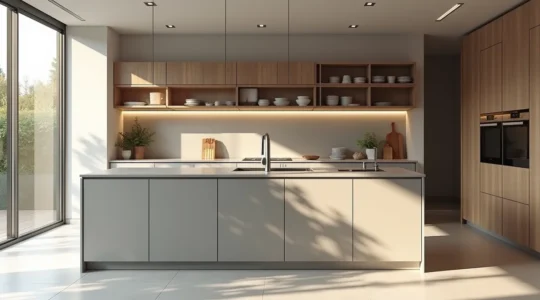
How to Design a Smart Kitchen Triangle That Actually Saves You Time
A truly efficient kitchen isn’t defined by its smart gadgets, but by an intelligent layout that prioritizes your actual workflow and reduces energy waste. The classic “work triangle” is often less effective than creating dedicated “work zones” for prep, cooking,…
Read more
Why Standard Paint Might Be the Source of Your Chronic Headaches?
Contrary to popular belief, a “Zero-VOC” label on a paint can does not guarantee your indoor air is safe; the real issue lies in the long-term chemical off-gassing from synthetic binders. Standard acrylic and latex paints are essentially liquid plastics…
Read more
How to Manage a Full Home Renovation Without Exceeding Your Budget?
Contrary to popular belief, a 20% contingency fund is not a strategy—it’s an admission of defeat. Your budget fails because of a weak process, not bad luck. The biggest financial drains are unmade decisions and an incorrect work sequence, which…
Read more