
Building elite muscle on a vegan diet isn’t about finding a magic powder; it’s about mastering the science of how whole foods work together to maximize your anabolic potential.
- Combining foods like rice and beans in specific ratios creates a complete protein superior to either alone.
- Proper preparation (soaking, sprouting) massively boosts nutrient absorption and prevents common digestive issues.
Recommendation: Focus on hitting a morning “leucine threshold” with whole foods to kickstart muscle protein synthesis for the entire day.
The idea that you can’t build significant, powerful muscle on a vegan diet without chugging scoops of protein powder is one of the most persistent myths in the fitness world. For many athletes, the switch to a plant-based lifestyle feels like a choice between their performance and their principles. You’re told to just “eat more protein,” often from chalky supplements or hyper-processed meat alternatives, leaving you feeling bloated and questioning if you’re getting everything you need. This approach misses the bigger picture entirely and often ignores the sophisticated nutritional science that makes a plant-based diet incredibly effective for athletic gains.
The secret isn’t in expensive powders or artificial products. The real key to unlocking your anabolic potential lies in a much smarter, more strategic approach: mastering the principles of food synergy and digestive efficiency. It’s not just about what you eat, but how you combine and prepare your food to make every single calorie and gram of protein work harder for you. Instead of viewing plant foods as inferior replacements, a performance-focused mindset sees them as powerful biological tools that, when used correctly, can support elite muscle growth, enhance recovery, and improve overall health in ways that a traditional diet cannot.
This guide will walk you through the exact strategies to do just that. We’ll move beyond the generic advice and dive into the specific, science-backed methods for creating complete proteins, optimizing nutrient absorption, and timing your meals to trigger muscle synthesis—all using whole, unprocessed plant foods.
For those who prefer a visual taste of how delicious a performance-driven vegan lifestyle can be, the following video offers a great example of a healthy, satisfying treat that fits right in. It’s proof that fueling your body for strength doesn’t mean sacrificing enjoyment.
To navigate this comprehensive guide, we’ve broken down the core principles of supplement-free vegan muscle building into clear, actionable sections. Each part builds on the last, from foundational food combinations to advanced meal-timing strategies.
Summary: The Athlete’s Roadmap to Plant-Based Anabolic Success
- Why Rice and Beans Together Create a Complete Protein Profile ?
- How to Cook Tofu So It Doesn’t Taste Like a Wet Sponge ?
- The Sodium Trap in Fake Meats: Are Burgers Actually Healthy ?
- Optimizing Lentil Preparation to Prevent Gas and Bloating
- Beef vs Pea Protein: Calculating the Water Footprint Difference
- Why Eating 30g of Protein at Breakfast Changes Your Entire Day ?
- Why Bitter Greens Need Acid to Be Palatable and Digestible ?
- How to Calculate Your Macros for Weight Loss Without Starving ?
Why Rice and Beans Together Create a Complete Protein Profile ?
The combination of rice and beans is often dismissed as a “poverty meal,” but for a vegan athlete, it’s a perfect example of nutritional synergy. On their own, most plant foods are considered “incomplete” proteins because they are low in one or more of the nine essential amino acids (EAAs) our bodies can’t produce. This is where the concept of protein complementarity becomes a powerful tool. It’s not about every single food being perfect, but about the meal as a whole delivering the complete package.
Rice, for instance, is rich in the amino acid methionine but low in lysine. Beans are the exact opposite: high in lysine but low in methionine. When you eat them together, their amino acid profiles complement each other, creating a complete protein source that is functionally equivalent to meat or whey. A scientific analysis confirmed this synergy, finding that a mixture with an optimal 70:30 bean-to-rice protein ratio maximized the body’s ability to utilize the protein for muscle repair and growth. This isn’t just about mixing foods; it’s about creating a superior nutritional matrix from simple ingredients.
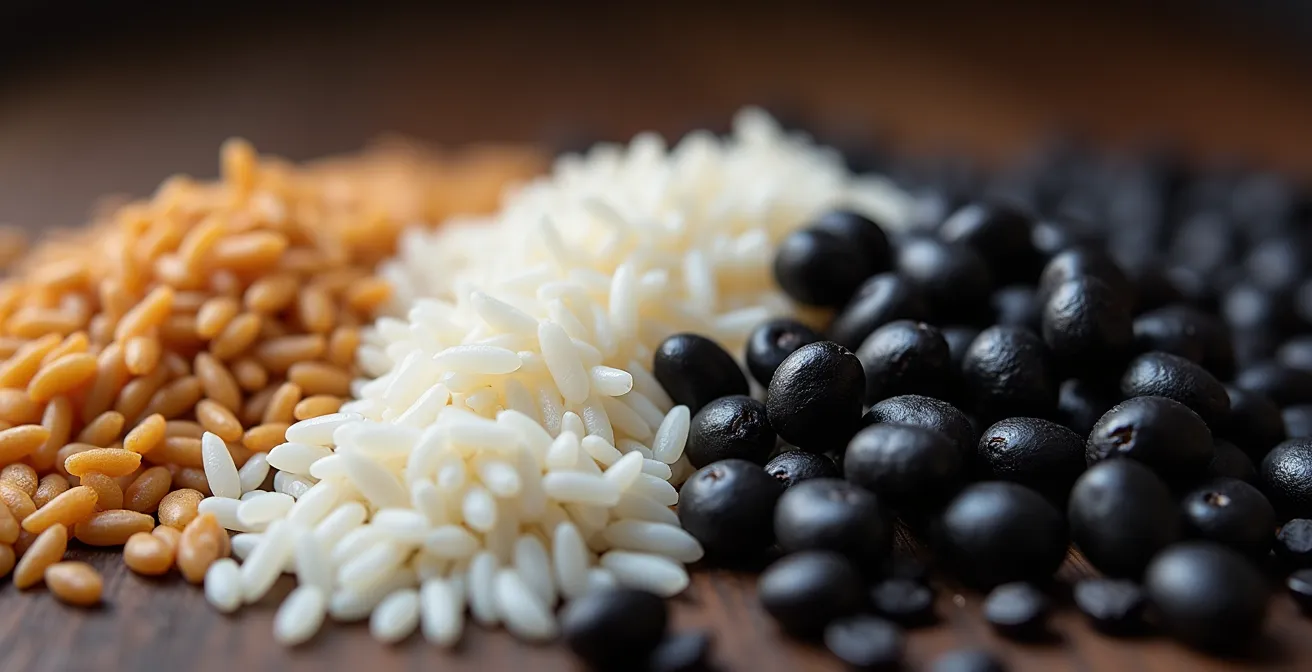
This principle extends to many other plant-based pairings. The goal is to combine legumes (like beans, lentils, chickpeas) with grains (like rice, wheat, quinoa) or nuts and seeds. These combinations ensure you’re not just getting protein, but the full spectrum of EAA building blocks necessary for anabolic processes. Other powerful combinations include pita bread with hummus, oatmeal with peanut butter, or lentil soup with a side of whole-grain bread. This strategic pairing is the foundation of building muscle without supplements.
How to Cook Tofu So It Doesn’t Taste Like a Wet Sponge ?
Tofu is a cornerstone of many vegan diets, yet it’s often maligned for its bland flavor and soft, spongy texture. For an athlete looking for satisfying, protein-dense meals, a block of poorly prepared tofu is a major setback. The key to transforming tofu from a culinary liability into a muscle-building asset is understanding how to manipulate its structure to maximize both flavor absorption and protein concentration. Forget boiling or steaming; you need to treat it like the high-performance ingredient it is.
The first non-negotiable step is pressing. Using a tofu press (or wrapping the block in paper towels and placing a heavy object on top) removes excess water, which can concentrate the protein content per gram and dramatically improve its texture. For an even meatier, more porous structure that soaks up marinades like a sponge, try this pro technique: freeze the tofu block solid, then thaw it completely before pressing. This process creates small ice crystals that form pockets within the tofu, fundamentally changing its texture. When you then marinate it, especially with acidic ingredients like citrus or vinegar, the acids begin to denature the proteins, enhancing both flavor and digestibility. Finally, searing it at a high heat creates a delicious, savory crust through the Maillard reaction, making it far more appealing and sustainable to eat regularly.
While tofu is incredibly versatile, it’s also important to understand its place among other plant-based protein powerhouses. Knowing when to use tofu, tempeh, or seitan can help you optimize your meals for different goals.
| Protein Source | Protein per 100g | Digestibility | Key Benefits |
|---|---|---|---|
| Tofu (firm) | 8-10g | Good | Versatile, calcium-rich |
| Tempeh | 19g | Excellent | Fermented, probiotic, pre-digested proteins |
| Seitan | 25g | Moderate | Highest protein density, meat-like texture |
The Sodium Trap in Fake Meats: Are Burgers Actually Healthy ?
The explosion of plant-based “fake meats” on the market seems like a dream come true for athletes transitioning to a vegan diet. They offer the familiar taste and texture of burgers, sausages, and chicken, making the switch feel seamless. However, relying on these ultra-processed products can be a significant trap. While they may boast high protein content, they are often loaded with sodium, inflammatory oils, and a long list of additives that can work against your performance goals. A product being vegan doesn’t automatically make it healthy or optimal for building muscle.
The primary issue is that many of these products are just as processed as the junk food they aim to replace. High sodium levels, often exceeding 400mg per serving, can contribute to water retention and high blood pressure, negatively impacting athletic performance. Furthermore, many use protein isolates stripped of the fiber and micronutrients found in their whole-food counterparts like lentils or beans. While studies show plant protein is as effective as animal protein for muscle gain, athletes consistently report better recovery and overall health when their diet is centered around minimally processed, whole-food sources. True performance nutrition comes from your ability to read labels and distinguish between a genuine health food and a highly engineered food product.
Your Action Plan: How to Decode Plant-Based Product Labels for Athletes
- Sodium Content: Scrutinize the label and aim for products with under 400mg of sodium per serving for regular consumption.
- Protein Source: Identify whether the protein comes from whole foods (e.g., peas, beans) or processed isolates (e.g., pea protein isolate, soy protein isolate). Prioritize whole food sources.
- Inflammatory Oils: Scan the first few ingredients. Avoid products that list sunflower, safflower, or canola oil prominently, as these can be inflammatory.
- Ingredient Count: As a rule of thumb, a product with fewer than 10 ingredients is generally less processed and a better choice.
- Protein-to-Calorie Ratio: Check the nutritional panel. A good target for a performance food is a minimum of 10g of protein for every 100 calories.
Optimizing Lentil Preparation to Prevent Gas and Bloating
Lentils are a nutritional powerhouse for vegan athletes, packed with protein, fiber, and essential minerals like iron and zinc. However, many people avoid them due to a common and uncomfortable side effect: gas and bloating. This digestive distress is not a mandatory trade-off for plant-based gains. It’s a sign that the lentils haven’t been prepared correctly to neutralize their natural defense mechanisms, known as “anti-nutrients.” These compounds, like phytates and lectins, can interfere with nutrient absorption and cause digestive issues. Optimizing your preparation is key to unlocking their full nutritional value without the discomfort.
The most effective strategy is a multi-step process. Soaking lentils for at least 8-12 hours is the first step, as it begins to leach out water-soluble anti-nutrients. For even greater effect, sprouting them for 24-48 hours activates enzymes within the lentil that pre-digest these compounds, making them significantly easier on your system. This proper preparation does more than just prevent gas; it dramatically increases the bioavailability of minerals crucial for muscle function, like zinc, iron, and magnesium. Studies have even shown that properly prepared legumes lead to a 31% increase in self-reported satiety, helping you feel fuller longer and manage your calorie intake more effectively.
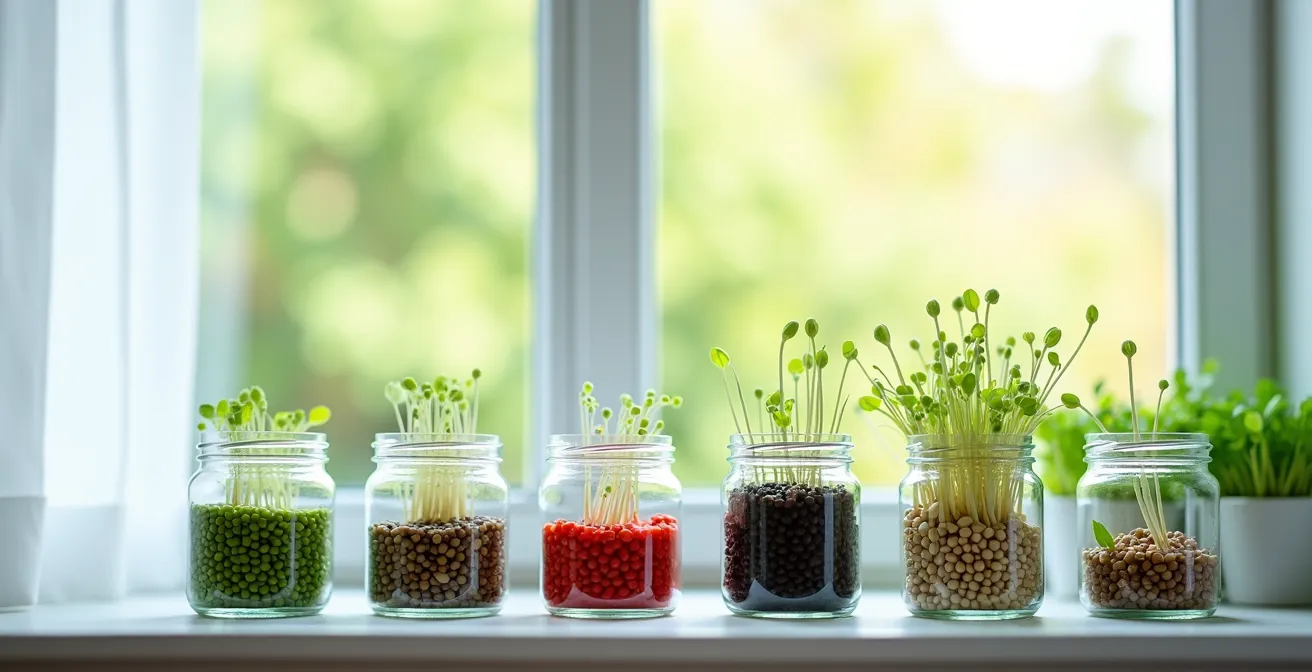
To further enhance digestibility, cooking lentils with a piece of kombu (a type of seaweed) can help break down the complex sugars responsible for gas. Finally, seasoning with digestive spices like cumin, fennel, or ginger not only adds flavor but also supports your body’s digestive processes. This meticulous approach transforms lentils from a potential problem into a perfectly digestible, high-performance fuel.
Beef vs Pea Protein: Calculating the Water Footprint Difference
While performance is your primary driver, one of the significant co-benefits of a well-structured vegan diet is its positive environmental impact. For many athletes, knowing that their dietary choices align with their ethical and environmental values provides a powerful source of motivation that enhances long-term adherence. The difference in resource consumption between animal and plant-based proteins is staggering, particularly when it comes to water usage. Building muscle with plants doesn’t just build a better body; it contributes to a healthier planet.
Consider the production of beef, one of the most common animal protein sources. The amount of water required to produce a single kilogram of beef is immense, factoring in water for the animal to drink, to grow its feed, and to process the final product. In contrast, plant proteins like peas, lentils, and beans require a fraction of that water. In fact, environmental research reveals that a global shift to a vegan diet could save 19% of freshwater usage worldwide. In regions like the American West, this is even more pronounced, where nearly half of the Colorado River’s direct water use goes toward growing hay for cattle.
This efficiency extends beyond water. A plant-based diet for an athlete also has a significantly lower carbon and land-use footprint. Choosing a lentil patty over a beef burger isn’t a sacrifice; it’s a conscious, high-performance choice that has a ripple effect far beyond your own body. This understanding can transform your diet from a mere set of rules into a meaningful practice, reinforcing your commitment to the lifestyle every time you sit down for a meal. The knowledge that you’re fueling your body in the most efficient and sustainable way possible is a powerful psychological advantage.
Why Eating 30g of Protein at Breakfast Changes Your Entire Day ?
For muscle growth, total daily protein intake is important, but *how* you distribute that protein throughout the day is a game-changer. The most common mistake athletes make is back-loading their protein, consuming most of it at lunch and dinner. This approach misses a critical window of opportunity in the morning. Kicking off your day with a high-protein breakfast, specifically one that contains at least 30 grams, is essential for igniting Muscle Protein Synthesis (MPS), the process that builds and repairs muscle tissue.
The science behind this comes down to the “leucine threshold.” Leucine is a specific essential amino acid that acts as the primary trigger for MPS. You need to consume a sufficient amount of it in a single meal—estimated to be around 2.5-3 grams—to flip the “on” switch for muscle growth. As experts in plant-based nutrition point out, while animal proteins are generally higher in leucine, it is entirely possible to hit this threshold with whole plant foods. A breakfast centered around low-protein, high-carb foods like fruit or a plain bagel simply won’t get you there, leaving your muscles in a catabolic (breakdown) state for hours.
To hit this target without supplements, you must be strategic. A tofu scramble made with 200g of firm tofu and fortified with nutritional yeast easily surpasses 30g of protein and the leucine threshold. Another excellent option is a smoothie with a soy milk base, hemp seeds, and peanut butter. By front-loading your protein intake, you not only kickstart MPS but also promote better satiety and blood sugar control throughout the day, leading to more stable energy levels for your workouts and less risk of overeating later. A high-protein breakfast doesn’t just set up one meal; it sets the anabolic tone for your entire day.
Why Bitter Greens Need Acid to Be Palatable and Digestible ?
An elite athletic diet isn’t just about macros like protein, carbs, and fats. Micronutrients—vitamins and minerals—are the unsung heroes that support everything from energy metabolism to oxygen transport and muscle contraction. Dark, leafy greens like kale, spinach, and collard greens are packed with these essential nutrients, but their bitter taste and the bioavailability of their minerals can be a hurdle. The secret to unlocking their full potential is a simple culinary technique: adding acid.
The bitterness in many greens comes from compounds that can be mellowed by acid. Massaging kale with lemon juice for a minute or two not only softens its tough texture but also chemically transforms these compounds, making the kale more palatable. More importantly for an athlete, acid plays a crucial role in mineral bioavailability. The iron found in plants (non-heme iron) is notoriously difficult for the body to absorb. However, vitamin C, found abundantly in citrus fruits and other acidic ingredients, can dramatically increase its absorption. According to research on vegan diets and nutrient uptake, pairing greens with a source of acid can boost non-heme iron absorption by as much as 300%.
This is critically important for athletes, as iron is essential for creating hemoglobin, the protein that carries oxygen to your working muscles. Low iron levels lead directly to fatigue and decreased performance. The strategy is simple: always pair your greens with an acid. Dress your spinach salad with a vinaigrette, squeeze lime juice over your cooked collard greens, or add tomato sauce to a dish with chard. This “Greens + Acid” rule ensures you’re not just consuming these vital nutrients, but that your body is actually able to absorb and utilize them for optimal performance. It’s another example of food synergy in action, where a simple combination elevates the nutritional value of your meal.
Key takeaways
- Building muscle on a vegan diet is a science of synergy and efficiency, not deprivation.
- Combining legumes with grains and properly preparing them to neutralize anti-nutrients is fundamental.
- Prioritize whole foods over processed “fake meats” to avoid sodium traps and maximize nutrient density.
How to Calculate Your Macros for Weight Loss Without Starving ?
Putting all these principles together requires a personalized plan. Building muscle while managing body fat on a vegan diet isn’t about guesswork; it’s about a calculated approach to your macronutrients (protein, carbohydrates, and fats) and overall calorie intake. The goal is to fuel your workouts and provide the building blocks for muscle growth while creating a slight energy deficit for fat loss, or a slight surplus for bulking, without feeling perpetually hungry or deprived. This is where strategic calorie and macro targets become your roadmap to success.
First, establish your protein target. While general recommendations exist, athletes have higher needs. Research on vegan muscle building shows that an intake of 1.6-1.8 grams of protein per kilogram of body weight is optimal for maximizing muscle protein synthesis. For an 80kg (176lb) athlete, this translates to 128-144 grams of protein per day. Once your protein is set, your carbohydrate and fat intake can be adjusted based on your goals. For muscle gain, experts often recommend a modest calorie surplus of 10-20% above your maintenance level. A more advanced strategy is calorie cycling: on training days, you consume a surplus (e.g., +300-500 calories), primarily from complex carbs, to fuel performance and recovery. On rest days, you eat at or slightly below maintenance, with a higher proportion of protein and healthy fats, to encourage fat utilization.
This method prevents excessive fat gain during a building phase and allows for sustainable fat loss without sacrificing muscle mass. The most important part of this process is to listen to your body. Track not just the numbers on the scale, but your energy levels, sleep quality, and performance in the gym. These biofeedback markers are the true indicators of whether your plan is working. A successful vegan muscle-building plan is not about starvation; it’s a dynamic, responsive system that provides your body with exactly what it needs to perform and grow.
Now that you have the scientific framework and practical strategies, the next step is to apply them. Start by calculating your personal daily protein target and begin building your meals around whole-food combinations that meet your performance needs.